
Blog Classic

How to Prevent Osteoporosis?

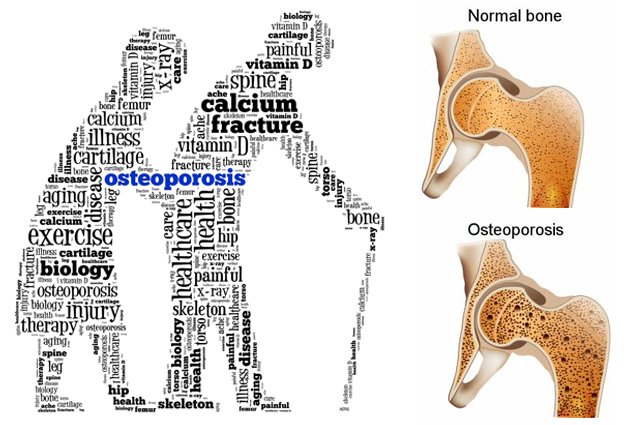
How to Prevent Osteoporosis? Roughly 10 million people of the United States, above 50 age suffer from hip osteoporosis. As per estimation that a study made, one out of every two American above 50 age will be at the risk of developing hip osteoporosis by 2020. The foremost reason for osteoporosis to be so prevalent in people above age 50 is simple – everybody suffers from bone mass loss as they grow older.  The chances of getting fractures increases with a decrease in bone mass. Who are at the risk of osteoporosis? Women’s are at higher risk of developing osteoporosis than men. Women’s are 4 times at higher risk of developing osteoporosis than men, due to the hormonal changes they undergo during menopause.  Further risk factors include Genetic – studies have revealed that hereditary factors perform an essential part in managing the bone mineral density and additional determinants of osteoporotic fracture risk, such as ultrasound characteristics of bone, skeletal geometry. Diet – Individual consuming diet which lacks or is low in vitamin D & calcium is more likely at risk of osteoporosis development. Medications – Specific medications can quicken bone loss, particularly in people who take it for an extensive-time period. Smoking – Smoking hinders the quantity of calcium the bones can absorb & may advance bone density loss. How to Prevent Osteoporosis? There are diverse things that one can do to build healthier & more powerful bones Consuming foods rich in calcium & vitamin D – Calcium helps to preserve the anatomical integrity of the skeletal system & keeps bone healthier and stronger. By any chance, if your body fails to get sufficient calcium, it may start to breakdown bone.Vitamin D keeps bones strong by assisting in calcium & phosphorus absorption, fundamental elements for stronger and healthier bone.Calcium sources – Dairy products like milk, cheese and yoghurt are the main source of calcium. Nevertheless, many non-dairy sources like green leafy vegetables, tofu, dry fruits, legumes etc. are enclosed with calcium.Vitamin D – Sunlight is the main source of Vitamin D. Foods like cheese, egg yolks and fatty fish also has Vitamin D contained in them. Avoiding extreme alcohol consumption – As per research studies claim that consuming more than 2 alcoholic drinks a day increases bone loss risk. Exercise –  Exercising not only makes muscles stronger but also your bones healthier. Performing weight-bearing exercises help preventing osteoporosis, as they force your bones to perform against gravity aiding in the growth of bone strength. Discontinuing smoking – Smoking is determined to increase the probability of fractures and bone loss. Nicotine present in cigarettes interferes with the action of the hormone estrogen. Estrogen is a hormone that is vital to bone health because it favours the activity of osteoblasts, which are cells that build bone. Avoiding cola-based sodas –  Numerous experiments & studies have proposed a connection between cola-based sodas consumption and osteoporosis development. Activities suggested playing an essential role in osteoporosis, as above mentioned activities help individuals to live more active.  

Top 5 Benefits of Staying Active

Top 5 Benefits of Staying Active Staying active paves the road to good health, well-being & peace at all ages. Physically active kids, who spend more time playing outdoor or one who engage themselves in sports, not only benefits in a healthy body but also confidence-building & higher performance in school. Staying active becomes significant as you start ageing, to maintain overall health. Staying inactive can cause a person to become overweight & hence, other problems related to obesity may arise hampering your lifestyle. Here is the list of top 5 benefits when you stay active at any age of life Weight Control – Being obese and overweight hamper daily activities and a person is at higher risk of falling prey to disorder or conditions like diabetes, high BP, heart diseases and more. Staying active helps you control your weight indirectly, saving you from the series of health problems. Maintaining Bone & Joint Health – Performing a weight bearing exercise or activity benefits in developing healthy bones in young people, while helps sustain bone mass in older people. Strong and healthy bones aid in staying self-sufficient and active in older age. Control Chronic Health Problems – Active people generally have an increased level of good cholesterol & decreased level of bad cholesterol, which supports them in maintaining a good condition of the cardiovascular system. Daily activity also benefits in controlling varied chronic diseases like diabetes & arthritis. Improved Stamina & Mood – A study has proved that mild daily exercising or indulging in low-intensity exercise for a few minutes has helped people to increase their energy level at least upto 20% and simultaneously decrease fatigue level upto 65%. Additionally energetic, dynamic activity stimulates the release of chemicals from the brain responsible for good mood & relaxation Better Sleep: Numerous people today suffer from insomnia. Studies show that performing approx 2 hrs of average to strenuous activity every week can be an efficient solution to sleeplessness. Although being active is the best way to maintain overall health, it is still suggested to ask your doctor for relevant guidance. The intervention of doctor may require only if you have some medical conditions or haven’t been active for an extended period.

Foods for Bone & Joints

Foods for Bone & Joints Bones are living, dynamic tissues that are always remodelled. Bones not only assist the body structurally allowing us to move but also protect our vital organs. It has many other functions like acting as an accommodation region for minerals, especially calcium. So it becomes a mandate to take good care of bones and joint health. Standard exercise can give an upgrade to the bone development process. Yet, you additionally need to eat right, so your body has the vital nutrition to sustain healthy joints & bone. Below discussed is a list of foods that will render the best kind of nutrition for your bones & joints. Dark Green Vegetables Calcium is found in high amount in dark green leafy vegetables like kale, chinese cabbage & collard greens. Spinach – dark green vegetable – is considered as one of the most top sources of calcium, which is true. But it still should be avoided as it also contains oxalate, which restricts a considerable portion of the calcium from being absorbed in the body. Dairy Products Calcium is found in high amount in dark green leafy vegetables like kale, chinese cabbage & collard greens. Spinach – dark green vegetable – is considered as one of the most top sources of calcium, which is true. But it still should be avoided as it also contains oxalate, which restricts a considerable portion of the calcium from being absorbed in the body. Fish Particular sorts of fatty fish, for example, salmon, tuna or mackerel are the rich sources in omega-3 fatty acid. Consuming fish two times every week will profit those experiencing rheumatoid joint pain. Cherries As per research studies shows, anthocyanins detected in cherries can help decrease gout attacks. Broccoli Other than containing a higher amount of vitamin C, broccoli even contains the sulforaphane, which slows down the sequence of osteoarthritis. Sweet Potatoes They are a magnificent source of potassium & magnesium which can further boost joint & bone health Green Tea Researches have proved that green tea can lessen inflammation & reduce the cartilage damage, owing to particular antioxidant present in it. By including multiple items from the list mentioned above in your food, you will be optimizing joint nutrition and diminishing your chance of generating osteoarthritis, rheumatoid arthritis, and other bone & joint ailments.

How Do I Know It’s Time for Orthopedic Surgery?

How Do I Know It’s Time for Orthopedic Surgery? Orthopaedic condition’s or injuries cause many people to leave back their hobbies or hamper their active lifestyle. Many believe that they may not recapitulate their hobby, sport or dynamic living once the orthopaedic condition grasps them. But this is not true as orthopaedic conditions & disorder can be treated by Orthopedic surgery. Orthopaedic surgery benefits several people with a debilitating trauma or condition to rejoin to their vibrant lifestyles every year. Operation concerning the musculoskeletal system to treat pain signs or limited movement can be recognised as orthopaedic surgery. Surgery may mean a complete spectrum of the procedure right from the relatively modest repair or extraction of torn ligaments from joints via arthroscopy or major complicated procedures like minimally invasive joint replacement surgery. Yet countless people experiencing degenerative joint disorder or severe orthopaedic impairments are reluctant or aren’t informed of the advantages of orthopaedic surgery. With the advancement in surgical procedures, numerous patients can undergo orthopaedic surgery and that too, with less recovery time post-surgery. Some surgeries may even not require hospital stay & the patient can return home the very same day. You can think about undergoing orthopaedic surgery if you have tried all traditional & home remedies, therapies or lifestyle change, but you still observe symptoms such as – Pain that hinders you from sleeping Difficulty with the actions of daily life Prolonged pain with movement Limited versatility Grinding sensation in joints Persistence of bone & joint pain Diminished lifestyle due to the incapability of doing tasks you enjoy. Orthopaedic surgery can strive a secure & lasting solution to the bone and joint ailments and is an incomparably superior choice to continuing with pain. Waiting way too long before attempting an ultimate surgical operation in unusual circumstances can cause the condition to worsen. It’s advised not to live with a minor but persistent orthopaedic condition which doesn’t show sign of improvement. The first thing to do in such case is to consult your orthopaedic doctor & get a thorough diagnosis of the condition. Only an orthopaedic physician can help you with an accurate diagnosis of your condition & provide you with available treatment options.

How to Keep your Joints & Muscles Healthy this Winter

How to Keep your Joints & Muscles Healthy this Winter Bones and joint problems becomes inevitable with the onset of winter. Restricted absorption of Vitamin D into our body during winters could be the one reason for it. Also during winter, the blood flow decreases to the peripheral areas of the body which leads to pain & stiffness in joints. Ignoring these bone & joints problems may result in further deterioration which can lead to cramps & fractures. Although it is important to keep your muscles active throughout the year it becomes more important during the winter months. Here we bring you a few tips to keep your bones & muscles healthy during winters. Start with warm-up. It is extremely important to get your muscles warm and your blood flowing before you start with your workout. Give an ear to your body. Do not ignore any unusual signs or symptoms such as soreness of the tendons or tendonitis, it could be a sign that there is strain on a particular muscle or that muscle may tear. Consult your orthopaedic doctor for more information. Keep yourself warm. Keeping your hands and feet warm will prevent too much loss of heat from your body. Wear warm clothing to keep body temperature stable for maintaining overall health. Use lighter weights in the gym. Your joints may not be warmed enough during winters and lifting heavier weights can make it more prone to injuries. Remember to stretch. Stretching post workout can help prevent muscle soreness and will make your body recover quickly from workout. Increase calcium in your diet. Calcium is important for maintaining stronger bones. Include calcium-rich foods such as milk, yoghurt, broccoli, cheese, legumes, dry fruits, seafood and green leafy vegetables in your diet. Shower with warm water. Not only does it relieves stiffness in your joints but it also gives relief from arthritis pain. Get tested. It becomes extremely important to get tested for bone density test if are are above the age of 40 especially for women. This test help determine the amount of mineral in your bones.

How Body-weight impact joint pain

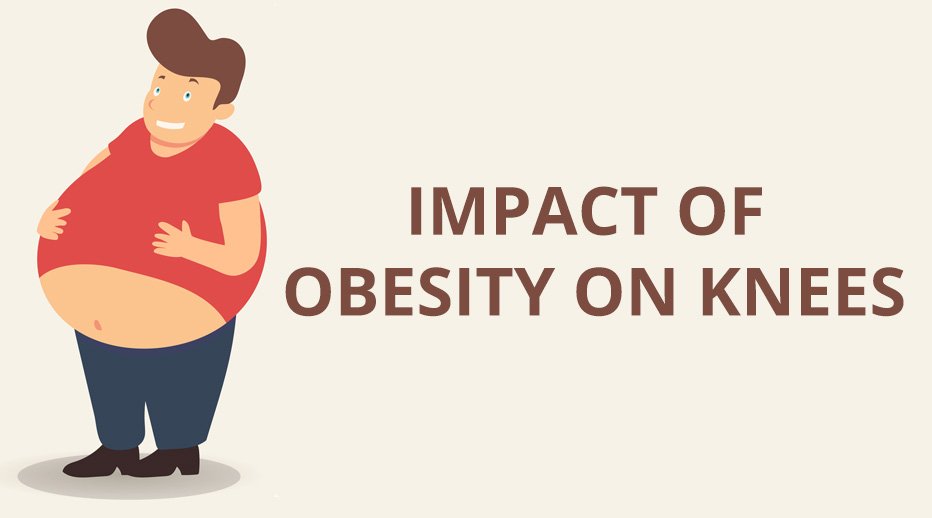
How Body-weight impact joint pain If you are suffering from occasional joint pain while walking or climbing a stair or you’re worried that you might inherit Arthritis from one of your parents then as a preventive measure you should check your weight. Being overweight increases your risk of developing osteoarthritis in the following two ways :1. Excess weight put additional stress on the weight-bearing joints2. Inflammatory factors associated with weight gain might contribute to trouble in other joints (for example, the hands). Let’s take a look at your knees. While walking the force on your knees is equivalent of 1.5 times of your body weight. This means an 80kg person will put pressure of 120 kg on his knees. Stress is even higher if the person is walking on an inclined plane.  Activities like going up and down on a stair and squat put even more pressure on the knees. Losing just a few Kgs of weight can go a long way toward reducing the pressure on your knees — and protecting them. For example, research has proven that a sustained 5- to 10-Kg weight loss in obese young people can translate to a much lower risk of osteoarthritis later in life. The best tactics for losing weight Increasing physical activity is the best way to shed that extra wight. But stepping up your exercise alone is rarely enough to help you lose weight. Every pound you’d like to shed represents roughly 3,500 calories. So if you’re hoping to lose half a pound to one pound a week, you need to knock off 250 to 500 calories a day. A good way to start is to try to burn 125 calories through exercise and eat 125 fewer calories each day.Don’t forget that the math works both ways: indulging in an extra 100 calories a day without burning them off can leave you 10 pounds heavier at the end of a year! Over time, routine treats like a scoop or two of ice cream, a calorie-packed coffee drink, or visits to the cookie or candy jar can tip the scales in the wrong direction.

Does Rainy Season Affect Joint Pain?

Does Rainy Season Affect Joint Pain? Most of India is blessed with mild weather, heat which helps the bones and good climate throughout the year. If you go by the combination of a humid subtropical climate in the most of India, and a tropical climate throughout the country, we have a defined rainy season from June to September. While it can’t be assessed scientifically, rain and humidity seems to affect on individuals with joint pain. Even though there is research which proves, unanimously that changes in barometer pressure and temperatures as causes for arthritic pain. Among the most common issue which patients complain about is back and knee pain and stiffness. While most arthritic patients resort to anti-inflammatory medications, there are certain common comfort measures to try to alleviate joint pain and stiffness intensity during those rainy and humid days. The first advice is to stay warm during the rainy days, wear layer of clothing and take hot showers, or keeping the muscles heated can help relax muscles. Heat lets the muscles relax thus helping with pain. Staying well hydrated is a way of lubricating the joints, especially if it’s humid and rainy. It is important to know that outside humidity and moisture will not help with lubrication of the internal joints, which is the case. Staying hydrated is a must for patients suffering from chronic joint pain. Low-impact exercises and stretching can help to reduce the discomfort of muscles and joint stiffness and pain. Movement is greatly beneficial for the body and low-impact exercises such as swimming can make a big difference for a joint’s range of motion over time.

5 Simple Tips to keep Your Bones Healthy for Life

5 Simple Tips to keep Your Bones Healthy for Life The orthopedic problems are the most common problems worldwide which limit one’s ability to live a free and active life. Bone and joint conditions are among the most common conditions of severe long-term pain and physical disability. Here are 5 simple tips to improve your orthopedic health for life. 1. Stay Active Daily exercise is one of the most important ways to maintain healthy bones and joints. The idea behind developing strong bones and joints is to start slow and follow a routine that works for you. It doesn’t matter whether you are trying to implement an active lifestyle or trying to strengthen an already fragile skeleton system go with your own stamina and pace. Forcing things beyond your limit can put extra stress on your skeleton system. Strengthen – Avoid high-impact forms of exercise at first that may cause stress to your bones and joints. Instead of that, try taking a brisk walk or using hand-held weights or stretch bands to build strength and resistance. Stretch – Before and after exercising, take five minutes to stretch your leg, back, and arm muscles to put them at ease and make the transition easy. Building your flexibility is important to maintaining a wide range of mobility while avoiding injury and developing better balance. Cool Down – Before you end your workout, ease into a cool down exercise, such as a light jog, to prevent injury and unnecessary tightness or soreness that causes after the workout. 2. Eat Right A healthy diet and right amount of exercise go hand in hand in promoting healthy bones and joints. You should always try to include nutritional foods for each meal in order to maintain a balanced diet and this should be intentional. Make sure you are getting enough of the following nutrients to keep your orthopedic health on track: Calcium – A mineral necessary for bone formation, calcium-rich foods such as milk products are important for building strong orthopedic health. Vitamin D – Few foods, besides fatty fish, dairy products and egg yolk, contain high amounts of vitamin D, so getting a safe amount of sunlight can be a good source. Supplements – If you are unable to get the right amount of calcium or vitamin D in your diet, taking a supplement is recommended. However, it is important to note that a “supplement” does not translate to a perfect “substitute.” 3. Gear Up Don’t let fashion get in the way of your healthy bones. The clothing we wear can make or break our bone and joint health, so haveing a proper attire can be an easy way to work towards a pain-free life. Instead of wearing high heels, which throw the body out of its natural shape and position, look for shoes that provide comfort and support while walking or standing. Make sure your feet have plenty of room within the shoe to avoid cramping and deforming. One should wear comfortable loose fitting clothes to aid proper blood circulation and flexibility of muscles. 4. Develop Healthy Habits Developing healthy habits is essential for long-term orthopedic health. Practice good posture by always keeping both feet on the ground to distribute weight evenly as well as pulling your shoulders back to straighten out your spine. Avoid putting stress on your back and shoulders by carrying lighter loads, evening out your backpack straps or using a suitcase with wheels. When sleeping, use supportive pillows and choose a position that complements the natural curvature of the spine. 5. Practice Precaution Taking precautionary measures is essential when it comes to your bone and joint health. If you notice any changes in your orthopedic health, make sure you take action before it is too late. Ice the area to reduce swelling Wrap the area to compress and keep in place Elevate the area to encourage blood flow If the bone or joint continues to weaken or the pain refuses to stop, it is important to seek medical attention right away.