

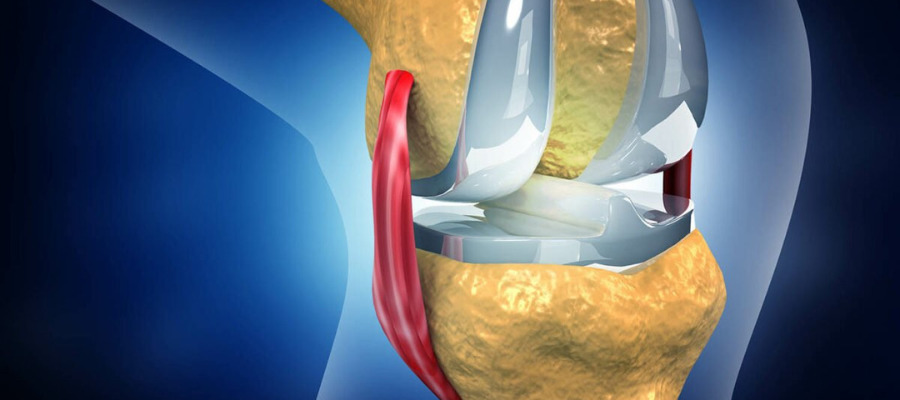
What is Total Knee Replacement?
Total Knee Replacement (TKR), also known as knee arthroplasty, is an advanced surgical procedure performed to treat severely damaged or degenerated knee joints. It is most commonly recommended for patients with advanced osteoarthritis, rheumatoid arthritis, post-traumatic arthritis, or chronic knee pain and stiffness that significantly limit daily activities and do not respond to non-surgical treatments.
During the procedure, the damaged cartilage and bone surfaces of the knee joint are carefully removed and replaced with precision-engineered artificial components, designed to restore smooth movement, stability, and long-term pain relief.
Why Total Knee Replacement?
As knee cartilage wears down, the joint surfaces lose their smooth cushioning, causing bone-on-bone contact, pain, swelling, deformity, and restricted movement. Total Knee Replacement effectively eliminates the source of pain and restores joint alignment and function.
With modern surgical techniques and high-quality implants, this procedure offers predictable pain relief, improved mobility, and a significant improvement in quality of life, enabling patients to return to their routine activities with greater comfort and confidence.
How is Total Knee Replacement Performed?
Total Knee Replacement is a well-established surgical procedure carried out using advanced surgical techniques in a fully equipped operating theatre, following strict safety, sterility, and quality protocols.
The procedure generally involves the following steps:
- The patient is administered spinal or general anesthesia, determined after thorough medical evaluation.
- A carefully planned incision is made over the knee to access the joint.
- The damaged cartilage and affected bone surfaces are precisely removed.
- The knee joint is accurately shaped to receive the prosthetic components.
- High-quality metal and medical-grade plastic implants are positioned to replicate the natural knee joint.
- Joint alignment, stability, and range of motion are meticulously assessed.
- The incision is closed with sutures or staples, and a sterile dressing is applied.
Recovery
Advancements in surgical techniques, anesthesia, and post-operative care have significantly improved recovery following Total Knee Replacement. Most patients are encouraged to begin assisted mobilization within 24 to 48 hours after surgery, under medical supervision.
Mild pain, swelling, and stiffness are expected during the initial recovery phase and are effectively managed with appropriate medications, ice therapy, and a structured physiotherapy program. Surgical dressings are changed as recommended, and stitches or staples are removed once satisfactory wound healing has occurred.
With adherence to rehabilitation protocols and medical guidance, patients typically experience steady improvement in strength, mobility, and overall knee function.
Common FAQs
It is recommended for patients with severe knee pain, stiffness, or deformity due to advanced arthritis or joint damage that does not improve with non-surgical treatment.
Pain is well controlled with modern anesthesia, medications, and pain management protocols. Post-operative discomfort gradually reduces with physiotherapy and recovery.
Most patients are encouraged to begin assisted walking within 24 hours following surgery, under physiotherapy supervision.
No. The decision is based on the severity of pain, loss of function, and extent of joint damage—not age alone.
Yes, in selected patients, bilateral knee replacement may be safely performed after evaluation.